
Ruk Dias.
Thinking in products.
I’m the founder of Checkmate Labs, an independent software studio in Austin. I take practical problems and playful ideas through product direction, design, development, and release.
Explore the work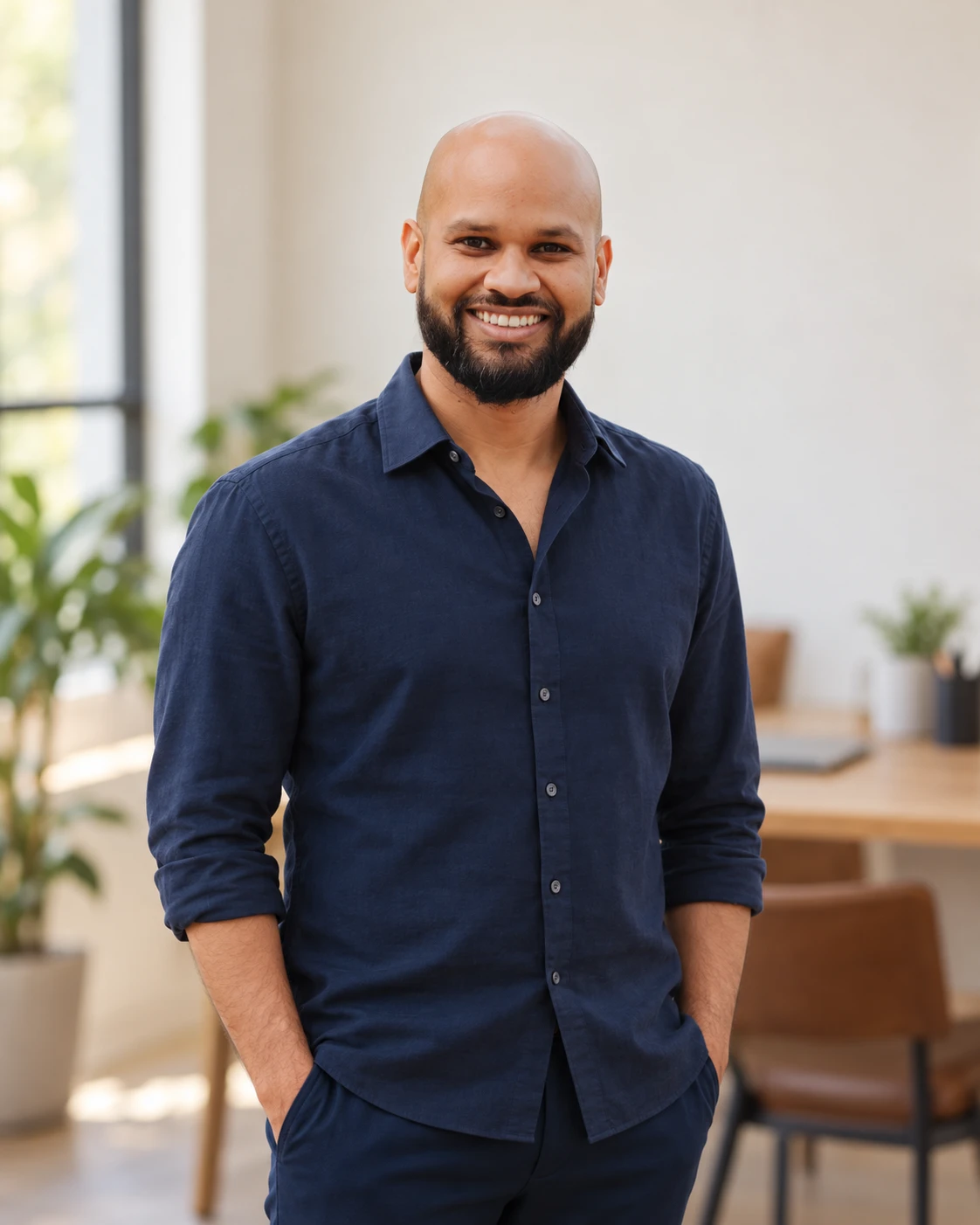
Close to the problem.
Close to the product.
My background is in enterprise technology sales. That work starts with understanding what someone needs to accomplish, what gets in the way, and whether a product can make a useful difference. Checkmate Labs lets me carry that question into the experience itself.
I use AI development tools throughout the build, while owning the product decisions and releases. The responsibility stays with me: the shape of a workflow, a feature that needs to wait, a detail that deserves another pass.
The collection reflects both sides of that instinct: tools for work and everyday life, and games that create a little friendly competition. I welcome product partnerships and collaborations, from evaluating Commonline with a logistics group to handing the Experience Kit foundation to an Oracle implementation partner. If another product points to an opportunity, I’d like to hear it.
Talk with RukThink ahead.
Follow through.
Start with the problem.
Follow it all the way to the release.
- 01
Find a real annoyance.
Losing your place in a script. Updating a bar's specials. Finding an old league score. Start with what gets in someone's way, and define the improvement before choosing the features.
- 02
Give it one clear job.
Choose the job the product should do, then make the path to it clear. For Knight, that starts with pasting a script and choosing a reading pace.
- 03
Build, test, and refine.
AI agents help write code, test features, and prepare releases. The founder chooses what ships and reviews the experience, from a button's wording to the pace of a match.
- 04
Ship. Learn. Move again.
Put the product in people's hands. Use feedback to decide what to fix, simplify, or build next. Keep improving the parts people came to use.
Out in the world.
9 products. Explore what’s built and where a partnership could fit.

Commonline
Your systems stay. Your network starts working together.

VBCS Experience Kit
Start your next Oracle engagement 86 screens ahead.

AccountabiliBuddy
Show up. Or pay up.
Fade: Duel Arena
Beat a knight. Take their gold.

Knight Teleprompter
Your script. At your pace.
TVesta
Split-flap charm. On your screen.

BoozeBoard
Your specials. Front and center.
MMT HQ
Your league. Rankings, roasts, and receipts.
Mom Jong
American Mah Jongg. Save a seat.